
An audit of the things a household uses every day, and what they quietly leave behind in food, on skin, in the air.
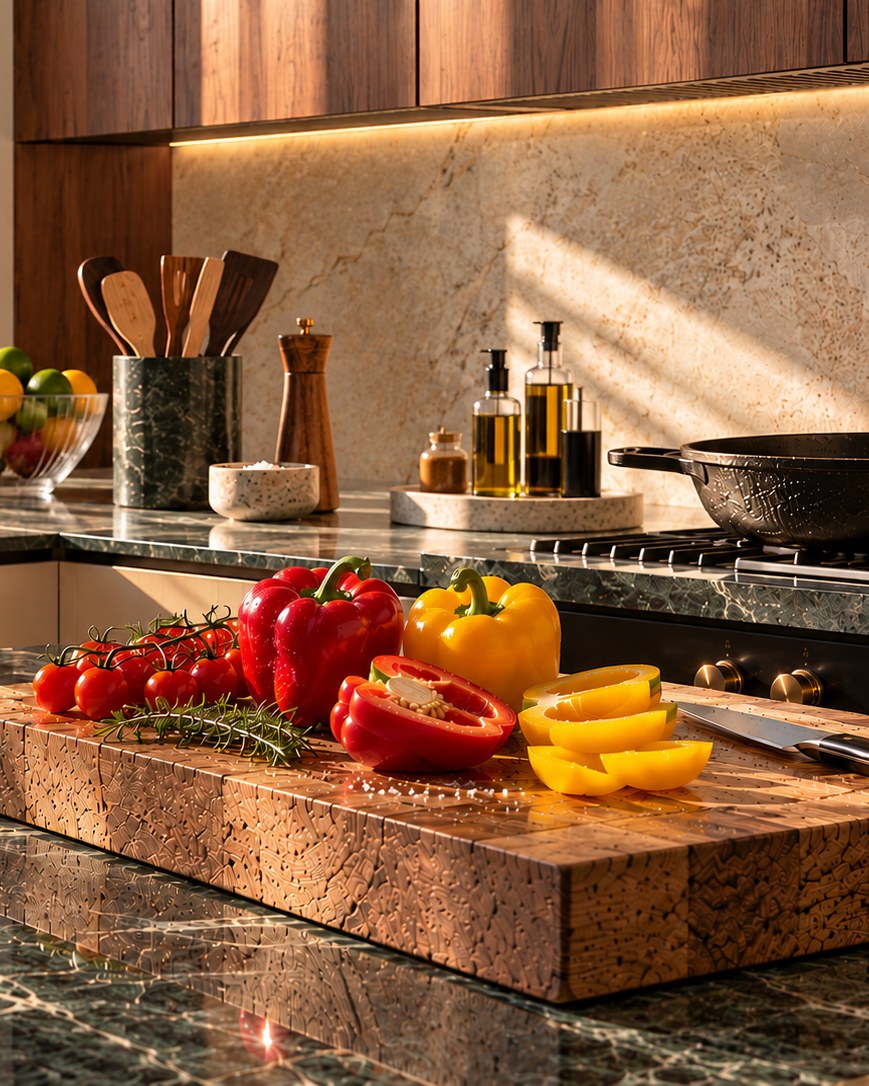
The kitchen
The most heavily furnished room in the house, and the least examined. Cookware in daily use and its condition. Non-stick coatings, aluminium, copper, cast iron, coated bakeware, pressure cookers, air fryers. Chopping boards, wooden and plastic. Storage containers, film, and what is reheated in what. Kettles, bottles and coffee equipment, anything water stands in. Sponges, scourers, cloths, paper and the products used on food surfaces. And the extraction above it all, whether it covers the hob it sits over, and whether what it removes leaves the building or returns to the room.
A single scratch on a non-stick pan can release around nine thousand plastic particles. A worn coating, millions. Researchers in Australia measured it in 2022.
Heat makes plastic worse. Three minutes in a microwave can release more than two billion nanoplastic particles from every square centimetre of a plastic container. That was the finding of a 2023 study of baby food containers.
The most cared-for room in the house is also the least examined.
Tableware
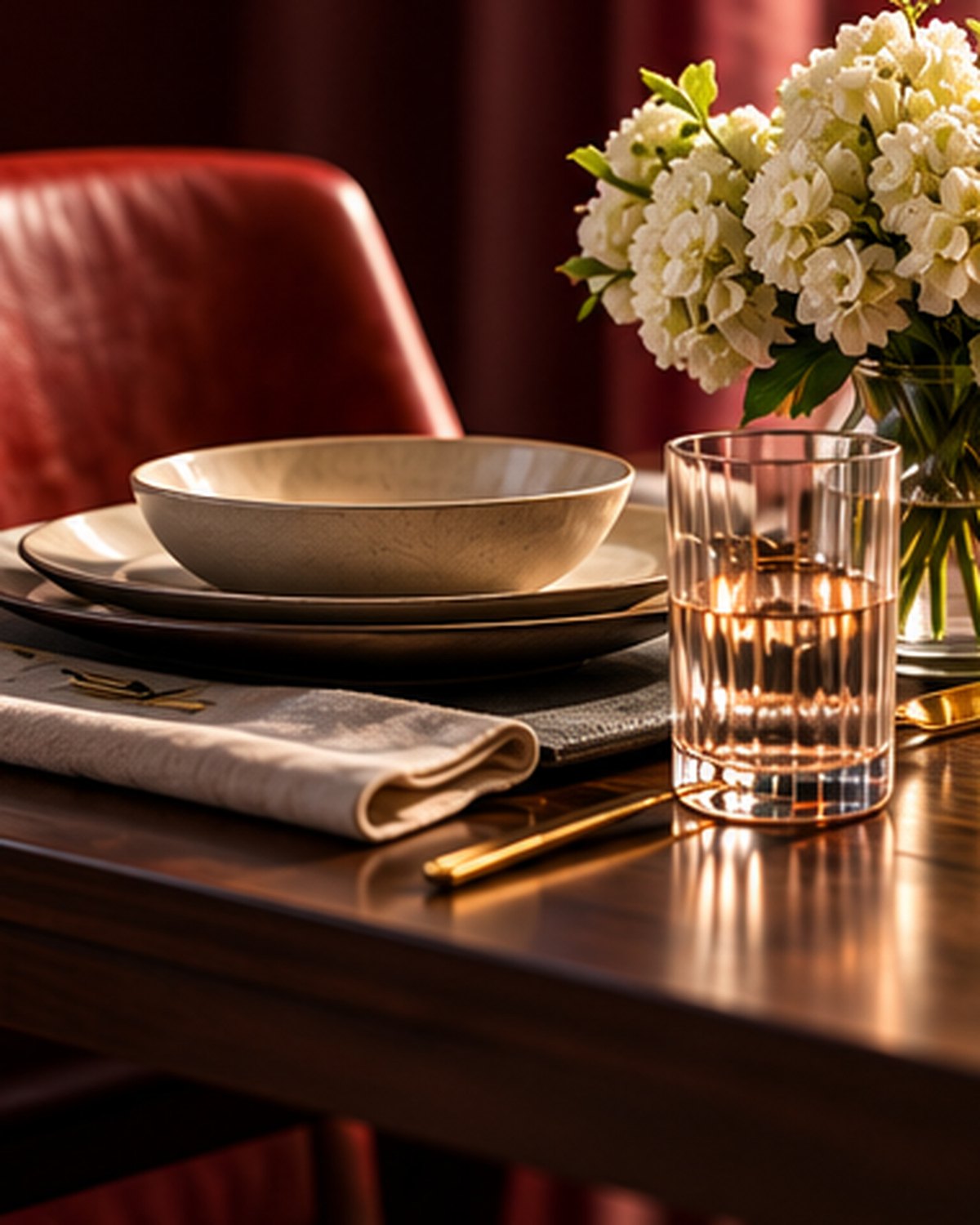
Leachable metals in ceramics and glazes, particularly artisanal and imported pieces, where disclosure requirements vary considerably from one market to the next.
Washing and boiling do not remove lead from a glaze. Handmade pieces, antiques, worn surfaces and bright red, orange and yellow decoration carry the highest risk. That is the advice of the US Food and Drug Administration.
Crystal is no different. Spirits kept in a lead crystal decanter take up more lead the longer they stand. The Lancet reported it in 1991.
The most treasured piece on the table is often the least tested.
Personal & everyday items
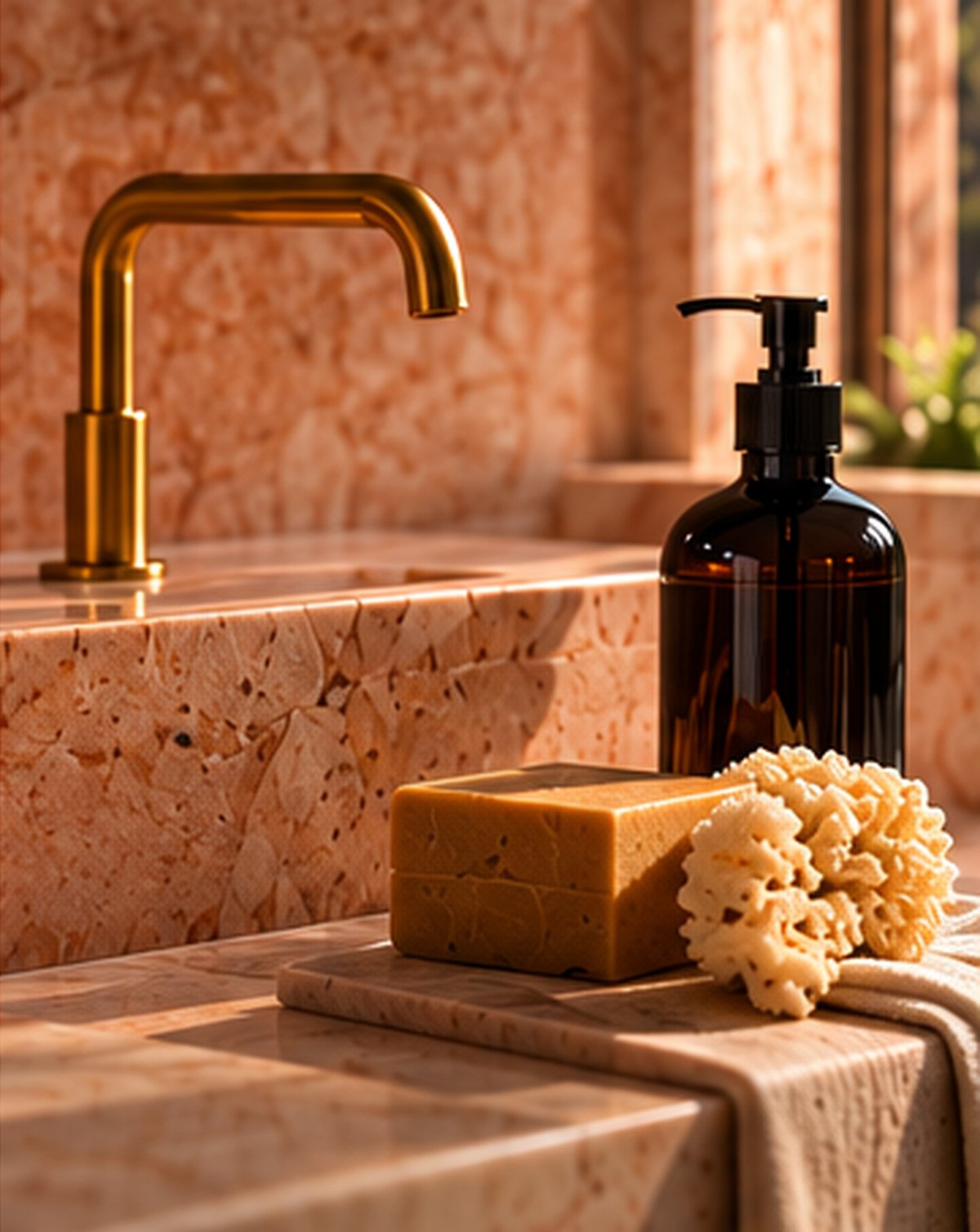
Things that stay against the skin for hours, such as play mats and foam flooring, yoga and exercise mats, and clothing and towels where composition is not declared. Where there are young children, toys, teethers and feeding equipment. Gifts, and imported pieces chosen by others.
A child spends most of the day at floor level, and puts almost everything in their mouth. Whatever a mat, a toy or a rug sheds into dust reaches them first.
Much of what enters a home arrives as a gift. Chosen with love, and never examined.
What a family touches most is rarely what it has checked.
Cleaning & laundry
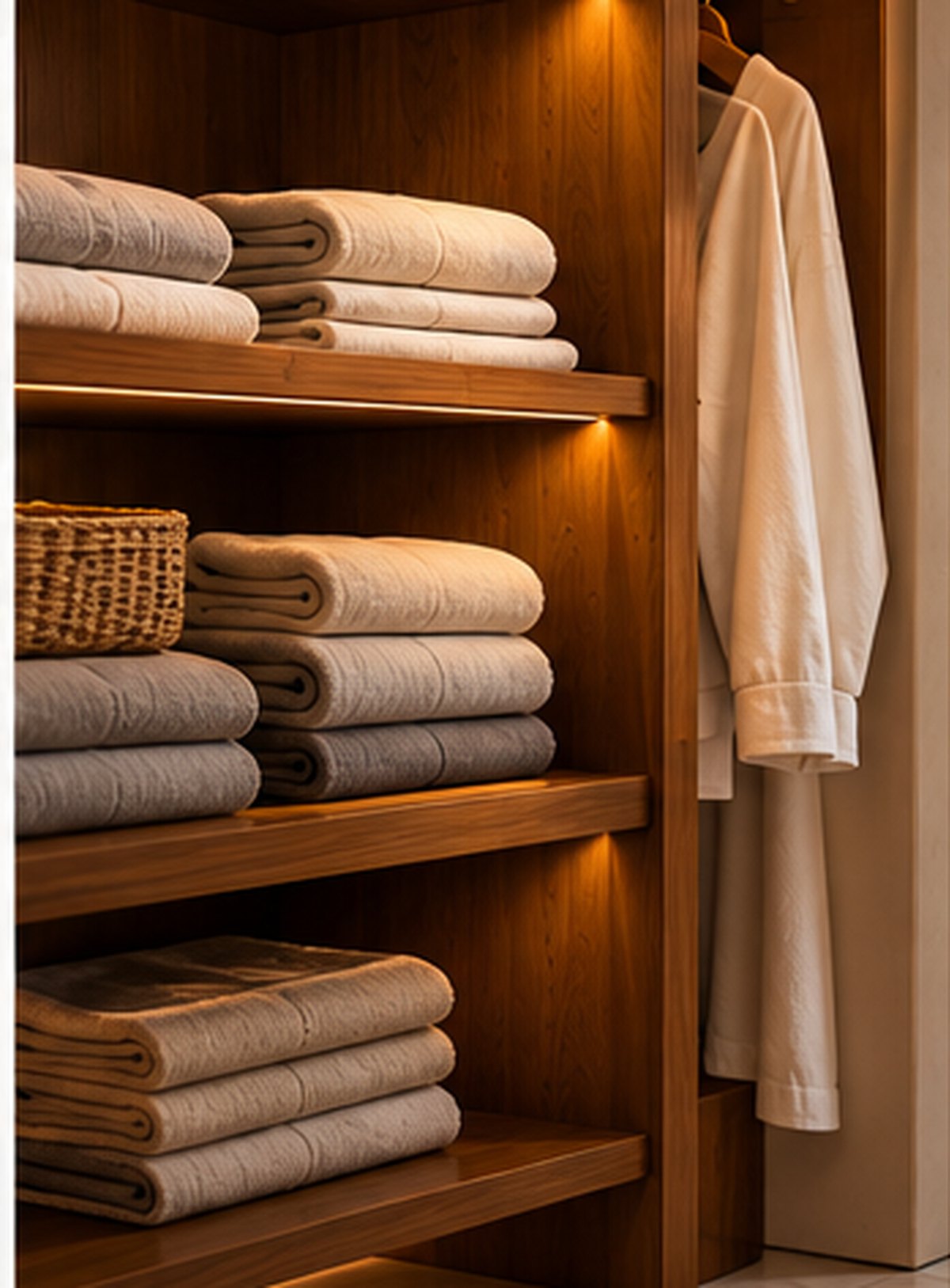
The products brought into the home, how they are stored, and how they are used. Particular attention is given to detergents and fabric conditioners used for bedding and towels, textiles that remain in prolonged contact with the skin, night after night.
When researchers tested six popular scented laundry products and air fresheners, they found nearly one hundred chemicals in the air. Every product released at least one classed as toxic or hazardous. Not one of them was listed on a label.
Fabric conditioner is designed to stay in the fabric. That is how it works.
Clean should mean nothing left behind. Too often it means something added.
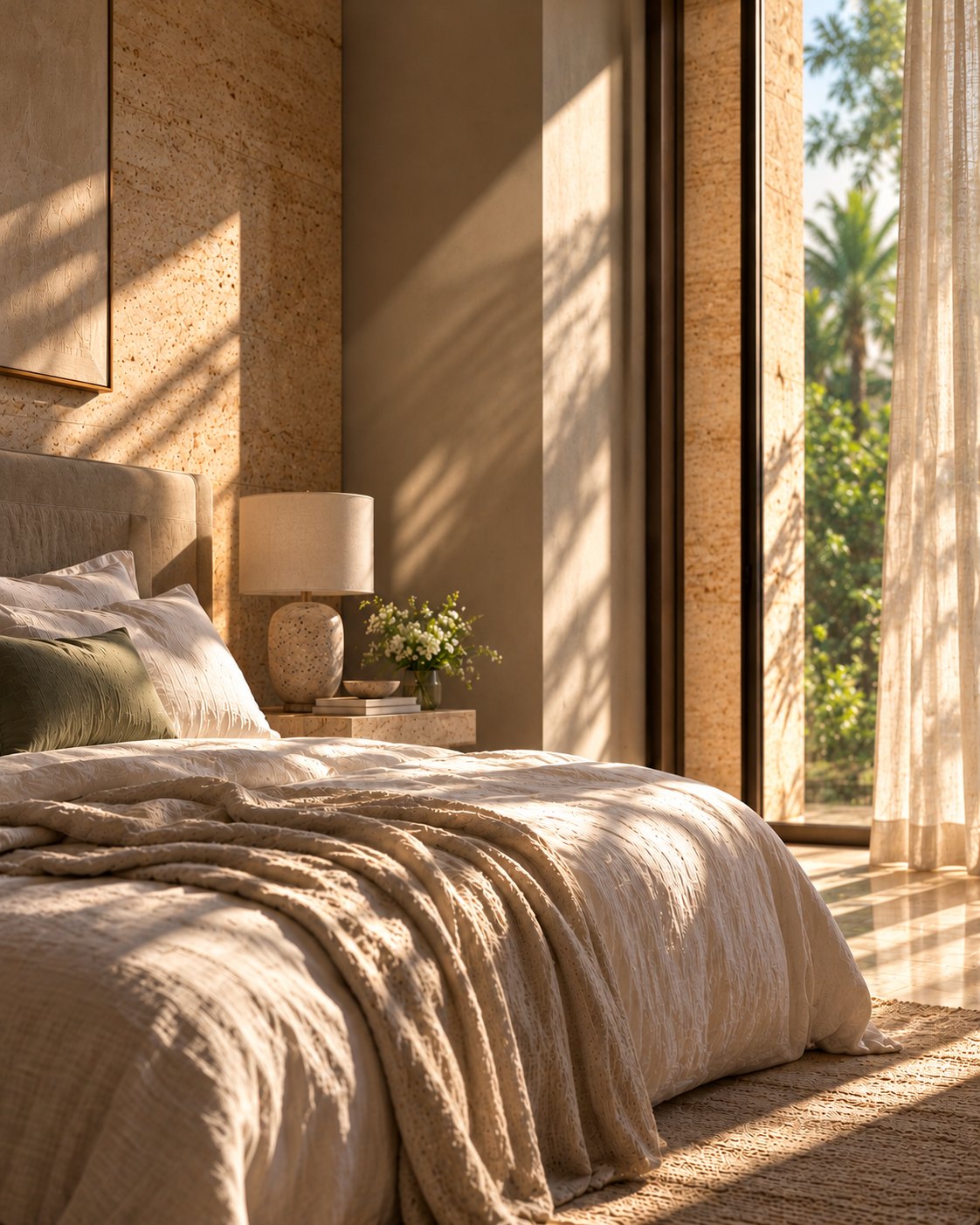
Furnishings
Mattresses, upholstery, rugs and curtains, with composition and chemical disclosure for selected pieces, particularly where specification is incomplete.
Body heat draws chemicals out of a mattress. In a 2014 study of crib mattresses, a sleeping infant breathed roughly twice the level of airborne chemicals that an adult standing in the same room did. Infants sleep half the day or more.
A new rug in a closed, cooled room has nowhere to air but into the room itself.
A family sleeps on its decisions for ten years.
Luo et al., Science of the Total Environment (2022). Hussain et al., Environmental Science & Technology (2023). US Food and Drug Administration, lead-glazed pottery guidance. Graziano and Blum, The Lancet (1991). Steinemann et al., University of Washington (2008). Boor et al., University of Texas (2014).
Expensive is not the same as safe.